How to Use Peptides for Muscle Growth Interest in peptide science has expanded rapidly over recent years, especially within the broader conversation around recovery research, metabolic studies, and cellular signalling. Researchers across multiple fields continue to explore how peptides interact with biological pathways involved in tissue communication, repair mechanisms, and physiological regulation. As conversations around […]

Explore the top 10 peptides currently studied for longevity, cellular repair, and anti-aging potential. This article highlights how these compounds may support regeneration, metabolism, and overall lifespan extension based on emerging research.

An overview of BPC-157 and its role in structural recovery research. This article covers its potential effects on recovery signaling, inflammation, and regeneration, based on preclinical and experimental studies.

One of the biggest shifts in modern biological research has been the move away from single-target thinking. For decades, the dominant approach was reductionist — isolate one pathway, find one compound that modulates it, and measure the outcome. That approach has produced valuable insights, but it has also run into a fundamental limitation: biology does […]
If you have ever noticed that injuries take longer to heal, workouts take longer to bounce back from, or general wear and tear seems to accumulate faster than it used to — you are not imagining it. Recovery capacity genuinely declines with age, and the reasons are rooted in some of the most fundamental processes […]
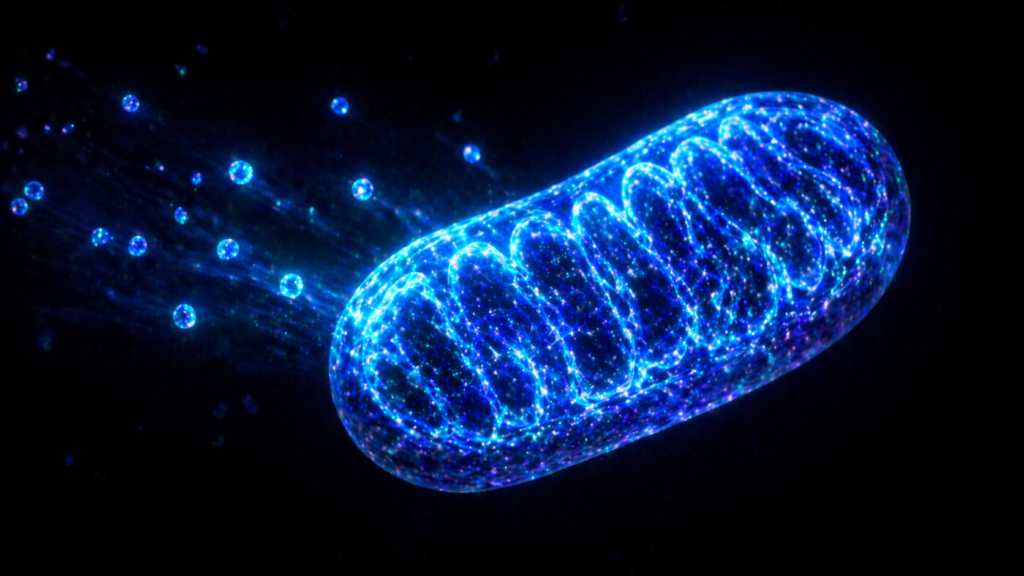
Most compounds that claim to support mitochondrial function work indirectly — through antioxidant activity, precursor supplementation, or upstream signalling. SS-31 is different. It is a cell-permeable tetrapeptide that concentrates directly in the inner mitochondrial membrane, targeting the specific structure where age-related dysfunction originates. That directness is what makes it one of the most closely watched […]

BPC-157 keeps appearing in regenerative research, and for good reason. This synthetic pentadecapeptide — derived from a protective protein found in human gastric juice — has generated one of the most extensive preclinical datasets of any peptide in the structural recovery signaling space. But what does the research actually tell us, and where are the […]
Growth hormone is one of the most important signalling molecules in the body. It drives structural recovery signaling, supports lean body composition, regulates metabolism, and plays a role in sleep quality and immune function. It also declines steadily with age — a process sometimes called somatopause. This decline has made growth hormone secretagogues (GHSs) a […]
Sleep is not downtime. It is when the body does its most critical maintenance work — clearing metabolic waste from the brain, consolidating memory, repairing biological structure, and recalibrating hormonal and immune systems. When sleep quality declines, every one of these processes suffers. And sleep quality almost always declines with age. What Sleep Actually Does […]
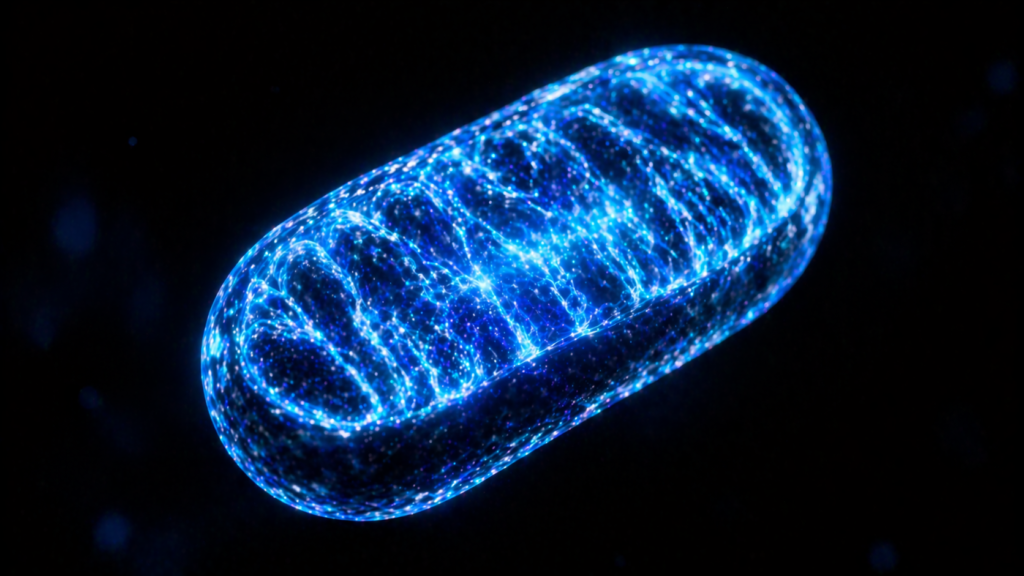
If there is one thing that connects nearly every hallmark of ageing, it is energy. Specifically, the declining ability of cells to produce it efficiently. And that brings us to mitochondria — the organelles responsible for generating the ATP that powers virtually every process in the body, from muscle contraction to DNA repair to immune […]